


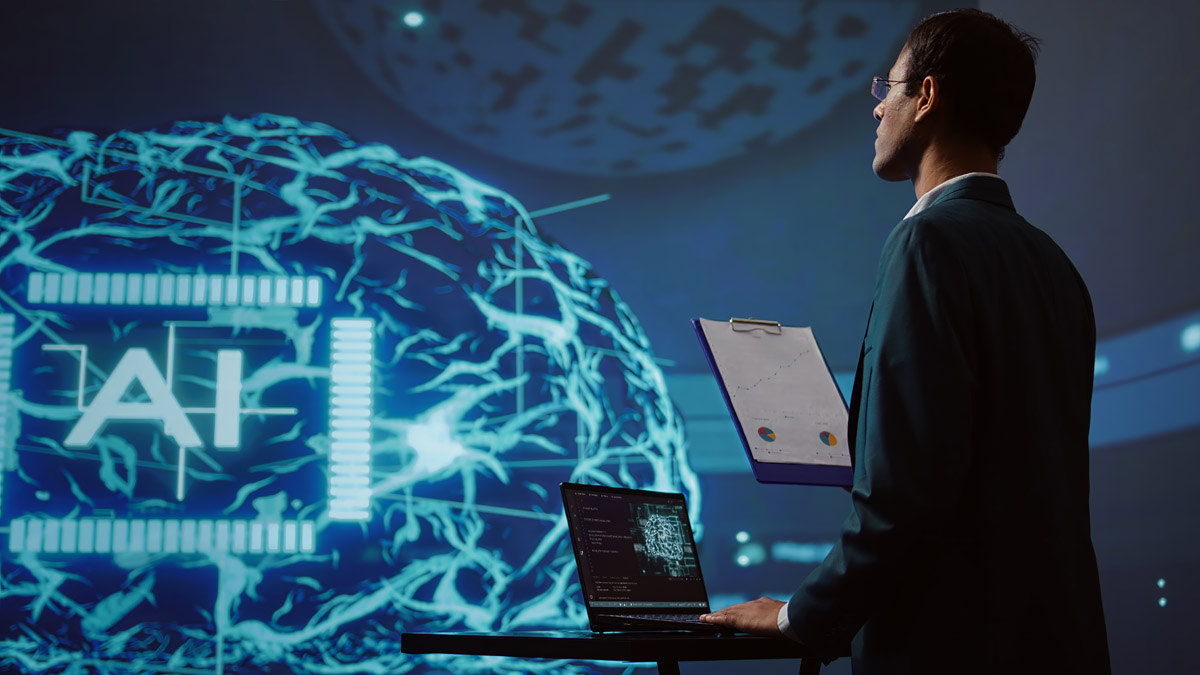
Artificial Intelligence (AI) has moved from a futuristic concept to a powerful technology shaping industries across the world. In 2026, AI is transforming how companies operate, how employees work, and what skills are required in the modern workplace. From automation in factories to AI-powered decision-making in offices, the technology is redefining business processes and employment patterns globally.
Today, AI tools are used in customer service, marketing, finance, healthcare, logistics, and even creative industries. Businesses are adopting AI not only to increase efficiency but also to improve productivity, reduce costs, and gain competitive advantages.
The Rapid Rise of AI in Business
Over the past few years, companies around the world have rapidly integrated AI into their operations. Many organizations report that AI is helping them innovate and streamline processes. According to industry surveys, about 64% of businesses say AI is enabling innovation in their operations.
AI-powered systems can analyze huge volumes of data in seconds, automate repetitive tasks, and provide predictive insights. As a result, companies can make better decisions, reduce manual workload, and improve overall efficiency.
For example, businesses are using AI for:
- Customer service chatbots
- Data analysis and forecasting
- Fraud detection in banking
- Personalized marketing
- Supply chain optimization
These applications are helping companies operate faster and more intelligently.
How AI Is Transforming Jobs
While AI creates new opportunities, it is also reshaping the nature of work. Many traditional tasks are now being automated, particularly those that involve repetitive or data-heavy processes.
Studies suggest that nearly 40% of global jobs could be affected by AI-driven changes, highlighting the scale of transformation taking place in the labor market.
Jobs that involve routine tasks—such as data entry, basic programming, and customer support—are particularly vulnerable. Some research indicates that up to 70% of tasks in roles like programming, customer service, and data entry could be automated by AI tools.
However, this does not mean AI will eliminate all jobs. Instead, many roles are evolving rather than disappearing.
AI Is Changing the Skill Requirements
As AI becomes more integrated into the workplace, companies are looking for employees with new skill sets. Traditional roles are being redefined, and workers are expected to combine technical skills with creativity and strategic thinking.
Key skills becoming more valuable in the AI era include:
- Data analysis and interpretation
- AI and machine learning knowledge
- Critical thinking and problem solving
- Digital literacy
- Creativity and innovation
Research suggests that AI often complements human skills rather than completely replacing them, creating demand for workers who can collaborate with AI systems.
This means employees who adapt and learn new technologies will remain highly valuable in the workforce.
Industries Most Impacted by AI
Artificial intelligence is transforming multiple industries. Some sectors are experiencing particularly significant changes.
- Technology and Software Development
AI-powered coding tools can now write and review code, speeding up software development processes and reducing human workload. Businesses use these tools to improve productivity and reduce operational costs.
- Finance and Banking
Banks use AI for fraud detection, risk analysis, and automated trading. Machine learning algorithms can analyze financial data in real time, helping institutions identify suspicious transactions and prevent fraud.
- Retail and E-commerce
AI systems analyze customer behavior to provide personalized product recommendations. Retailers also use AI to optimize inventory management and supply chains.
- Healthcare
AI assists doctors in diagnosing diseases, analyzing medical images, and predicting patient outcomes. This technology helps healthcare providers deliver faster and more accurate treatment.
- Manufacturing
Automation and robotics powered by AI are transforming factories by increasing production efficiency and reducing errors.
The Impact of AI on Business Productivity
One of the biggest advantages of AI is improved productivity. AI systems can automate repetitive processes, allowing employees to focus on higher-value tasks such as strategy and innovation.
In some industries, AI-driven automation has increased productivity significantly. Businesses using AI-powered tools report improved operational efficiency and faster decision-making.
Companies are also using advanced AI systems to coordinate workflows across departments, reducing manual coordination and improving collaboration.
Challenges Businesses Face With AI
Despite its advantages, AI adoption also presents challenges.
- Job Displacement Concerns
Many workers worry that automation may replace certain roles. Some companies have already begun restructuring their workforce as they adopt AI-driven systems.
- Skill Gaps
Many organizations struggle to find workers with AI-related skills, which slows down digital transformation.
- Ethical and Privacy Issues
AI systems rely heavily on data, raising concerns about privacy, bias, and transparency.
- Technology Costs
Implementing AI infrastructure can require significant investment, especially for small businesses.
The Future of Work in the AI Era
The future of work will likely involve collaboration between humans and machines. Instead of replacing workers entirely, AI will automate specific tasks while humans focus on creativity, leadership, and complex problem solving.
Experts believe that many new jobs will emerge in fields such as:
- AI engineering
- Data science
- Cybersecurity
- AI ethics and governance
- Digital transformation consulting
At the same time, workers may need to reskill and adapt to new technologies throughout their careers.
Conclusion
Artificial intelligence is reshaping the global economy and transforming how businesses operate. By automating repetitive tasks, analyzing massive datasets, and improving decision-making, AI is helping organizations increase productivity and innovate faster.
However, this technological revolution also requires workers and businesses to adapt. Companies must invest in training and digital transformation, while employees must develop new skills to remain competitive in the evolving job market.
As AI continues to evolve, its impact on jobs and businesses will likely grow even stronger, making it one of the most influential technologies of the modern era.